
Trending
This story is from September 17, 2021
Pune: Wada occupants try to hold on to traditions during pandemic
ime seems to have stood still for Ganeshotsav in the few surviving wadas in Pune, with their occupants still trying their best to stay true to the old ‘One Wada, One Ganapati, tradition during the 10-day festival, despite the Covid-19 pandemic.
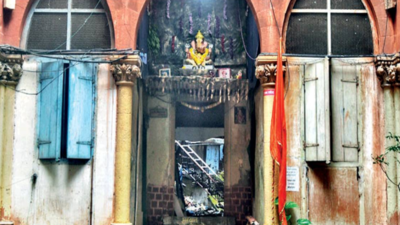
Following the tradition of ‘One Wada, One Ganapati’, residents in various parts of the old city have come together to set up Ganesh mandals and celebrate the festival together, in accordance with Covid norms
The celebrations in the wadas, known for intricate and beautiful carvings on the pillars and doors, showcased close bond with the neighbours.

He said, “Most of the tenants have shifted. Some have even moved to other cities for work and personal reasons. But many of them make it a point to take leave for 10 days and visit us during the Ganeshotsav and keep the tradition of celebrating the festival together alive.”
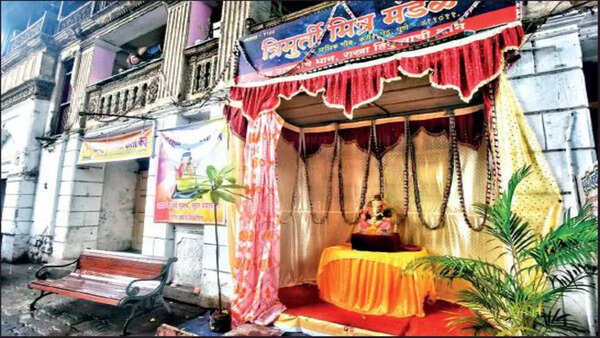
The celebrations in the wadas, known for intricate and beautiful carvings on the pillars and doors, showcased close bond with the neighbours.
Reminiscing about the grand celebrations in the past,
Meghana Shidhaye from a wada near Jogeshwari mandir in Budhwar Peth said, “We do all the decorations ourselves, with children making it an art and craft project. Before the pandemic, all the tenants would participate in cultural activities, such as skits, dance, rangoli, and other fun games organized throughout the 10-day festival. The women from the wada would get-together and watch a movie to stay awake till midnight for a puja performed just before the festival.”
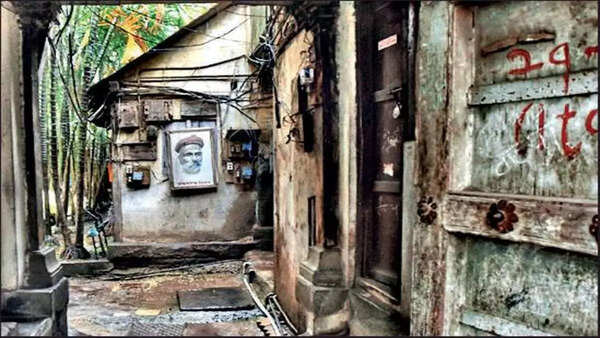
Before the pandemic, all the tenants would participate in cultural activities, such as skits, dance, rangoli, and other fun games organized throughout the 10-day festival.
After the pandemic, however, there have been no such celebrations. Out of the 10-15 families that lived in the wada, most have moved, she said.
Born and brought up in a century old wada, Kapil Jagtap from Sadashiv Peth, misses how every family took turns to make the prasad during aarti every day of the festival during his childhood. “Though they were different households, tenants of the wada considered themselves a part of one big family. Tenants took turns to perform the aarti and every one would join the procession to raise slogans and chants as we headed towards the river for visarjan.”
End of Article
FOLLOW US ON SOCIAL MEDIA









Photostories

Hot Picks
TOP TRENDING
Popular Categories
Hot on the Web
Top Trends
Justin TrudeauIND vs NZ Live ScoreRohit SharmaPakistan Bomb BlastVirat KohliJharkhand Election ScheduleVaranasi Rail Road BridgeAkasa Air Flight Bomb ThreatMaharashtra Election Full ScheduleBengaluru FloodJohn Cena RelationshipsBaba SiddiqueAshes ScheduleRBI Summer InternshipMaharashtra Election ScheduleJharkhand Election ScheduleLive Cricket Score
Trending Topics
Diwali WishesJigra Movie ReviewFake PaneerDevara OTT ReleaseVettaiyan CollectionRam GopalLawrence BishnoiCow GheeBigg Boss 18Salman KhanShraddha KapoorRatan Tata Passed AwayNana PatekarSharad Purnima Moonrise TimeSwatantrya Veer SavarkarSharad Purnima 2024Top Load Washing MachinesBest Premium LaptopsNonstick Cookware SetsWordle Answer
Living and entertainment
Latest News
How Chennai Night Race swerved past challenges to zoom toward a brighter motorsports futureOnly 26.8% of Indian youth in the academic age group have internet browsing skills: Can this impact quality education?Ex-Indian cricketer Ajay Jadeja now wealthier than Virat KohliInfosys to no longer send job offer letters and attachments, the company will ...Bigg Boss 18: Avinash Mishra evicted by housemates following major clash with Chum Darang; Eisha Singh and Alice Kaushik left stunnedHappy Govardhan Puja 2023: Top 50 Wishes, Messages and Quotes to share with your loved onesCameron Diaz opens up about husband Benji Madden's support in her acting comebackAndre Chase Returns to NXT as Lexis King Defeats Oro Mensah in Gentleman’s DuelAshes 2025-26 fixtures announced: Australia vs England series to begin at PerthSunny Deol finds tranquility in the mountains, shares the breathtaking view'Test cricket is nothing but...' - Indian players reveal what the red-ball format means to themWWE NXT Results and Highlights 10/15: Triple Threat No. 1 Contender match, Stephanie Vaquer vs. Wren Sinclair, and moreActress Helen Nelson aka Oviya files complaint against morphed viral video, takes legal actionRaghav Juyal's VIDEO of getting his shoe lace tied by someone else in public goes viral, netizens react as they get disappointed!8 Creative millet-based sweets that are a must try this festive seasonSomen Mishra sets record straight on Alia Bhatt and Vasan Bala 'Jigra' controversy: We were DYING to get Alia on boardBigg Boss Tamil 8 Preview: Arun accuses Arnav of being fake, says ' You're playing a double game 'SpiceJet receives 'bomb' threat for two flights on social media handle, pax disembarked
Copyright © 2024 Bennett, Coleman & Co. Ltd. All rights reserved. For reprint rights: Times Syndication Service